GADGETS — WEDNESDAY, SEPTEMBER 2, 2026
The 5 Gadgets Everyone Is Talking About This Week
From an 8K pocket 360 camera to the foldable that finally fixed foldables
The last seven days have been unusually loud for consumer hardware. With IFA Berlin days away and Meta Connect locked in for late September, manufacturers have been racing to get their flagship products in front of reviewers before the autumn noise drowns them out. The result is a shipping window packed with genuinely interesting devices rather than the usual spec-bump filler.
We have tracked which products reviewers, retailers and readers actually returned to over the past week. Five stood out — not because they were merely announced, but because they landed in hands, drew serious testing, and shifted the conversation in their categories. Here is what is trending, what it costs, and whether the enthusiasm holds up.
📷 1. Insta360 X6 — The 360 Camera That Went After GoPro's Crown
TRENDING #1
CAMERAS
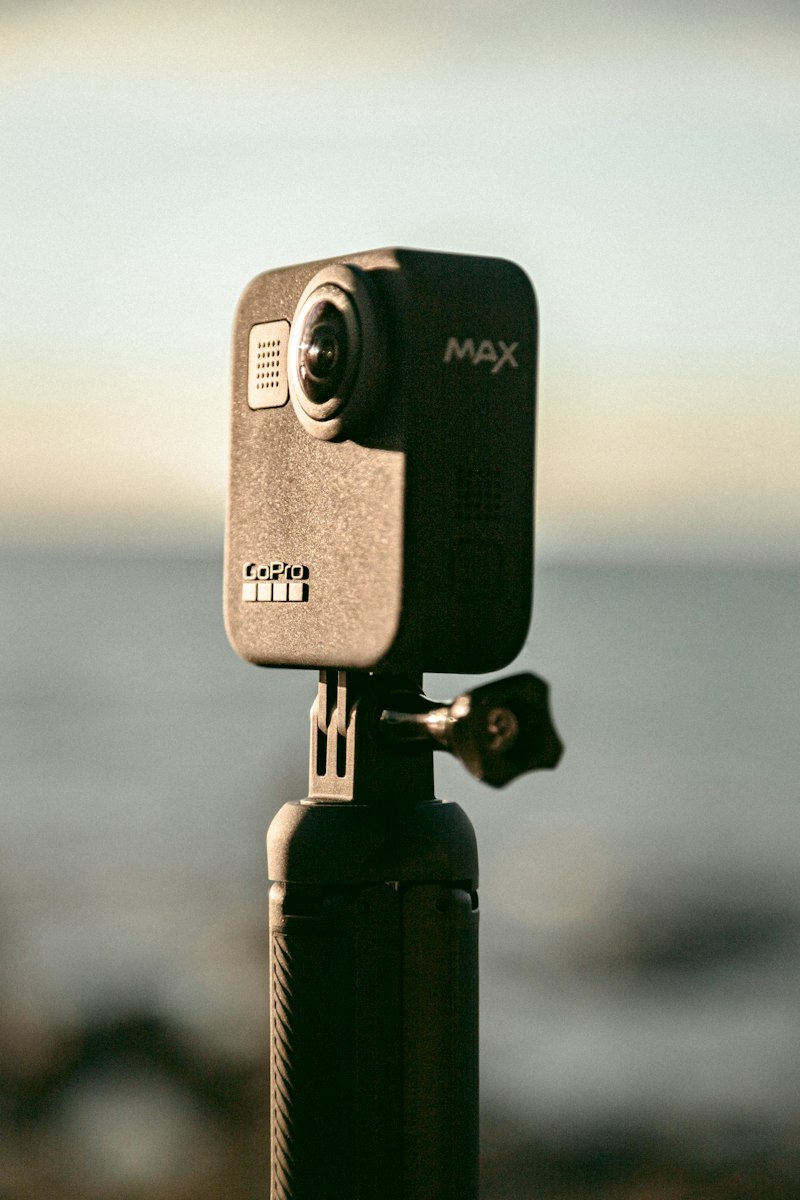
The Insta360 X6 is the product that dominated gadget coverage this week, and for once the hype is proportionate. It is the company's new flagship 360-degree camera, and it arrives with larger sensors, a redesigned processing pipeline, and 8K capture at 50 frames per second — a meaningful jump over the X5 rather than a marketing asterisk. It is also the first 360 camera to natively support Dolby Vision HDR, which matters more than it sounds: 360 footage lives or dies on how it handles blown highlights at the seam between lenses.
Reviewers have converged on the same verdict. TechRadar praised its rugged build, long battery life and ability to hold detail in difficult lighting, calling it the most capable small 360 camera it has tested to date. Engadget framed it as a camera with a little something for everyone — a rare position for a category that has historically forced buyers to choose between usability and image quality. Digital Camera World went further, openly asking whether it now threatens both the DJI Pocket line and GoPro's traditional territory.
The catch is price. At $700, the X6 costs $150 more than its predecessor, which pushes it out of impulse-buy territory and into the range where buyers reasonably expect it to replace two other cameras. On the evidence of this week's testing, it plausibly can — but the body is smaller and the battery lasts longer than the X5, so the value argument rests on consolidation rather than novelty.
📱 2. Samsung Galaxy Z Fold 8 — A Shot in the Arm for Foldables
FLAGSHIP
SMARTPHONES
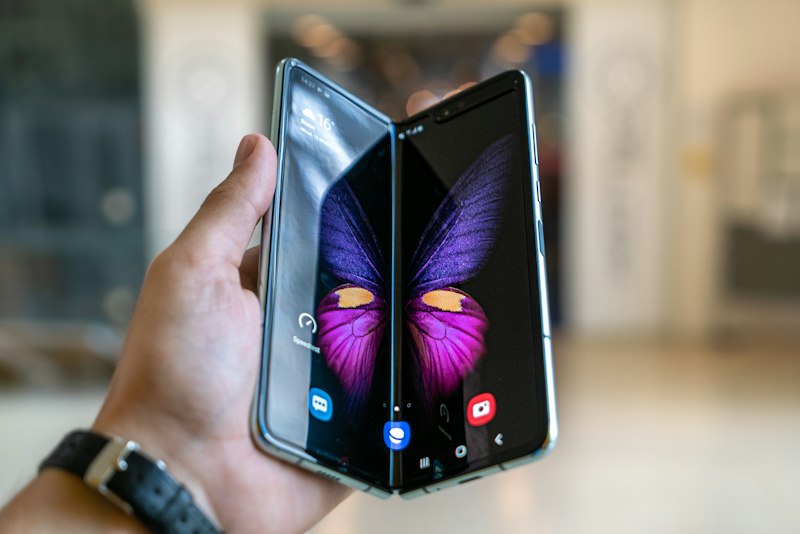
Foldables have spent several generations in an awkward holding pattern — impressive engineering attached to compromises most buyers were not willing to pay a premium for. The Galaxy Z Fold 8 appears to be the generation that resolves enough of them to matter. Samsung has moved to a tiered lineup this cycle, with the standard Fold 8 sitting alongside a Fold 8 Ultra, and both models landed near-perfect 4.5-star scores in TechRadar's testing.
The phrase reviewers keep reaching for is that the Fold 8 is "a shot in the arm for the foldables market" — a category that badly needed one. The tiering is the strategically interesting part: rather than asking every buyer to absorb the full flagship price, Samsung is now segmenting the foldable the way it has long segmented the Galaxy S line, which is what you do when you expect volume rather than novelty sales.
For readers weighing an upgrade, the practical question is durability and software rather than the fold itself, which is now mature. Samsung's multi-year Android update commitment and the maturing large-screen app ecosystem are doing as much work here as the hinge. This is the first foldable generation we would comfortably recommend to someone who is not specifically a foldable enthusiast.
🎤 3. DJI Mic Mini 2S — Flagship Audio at Half the Price
BEST VALUE
AUDIO
The quietest big release of the week is also the one most likely to change how people work. The DJI Mic Mini 2S is a compact wireless microphone system that inherits most of what made the flagship Mic 3 appealing — internal recording, AI-driven noise cancellation, effortless pairing — and delivers it at roughly half the price.
The upgrade that professionals will care about is 32-bit float internal recording. In plain terms, it makes clipping recoverable: audio captured too hot can be pulled back in post without the distorted, unusable result you would get from a conventional 24-bit recorder. That capability used to be the preserve of dedicated field recorders costing several times as much, and its arrival in a device this small is the reason the Mini 2S has been circulating so widely among creators this week.
For anyone recording interviews, podcasts, lectures or video in unpredictable environments, this is the most consequential price-to-capability shift on this list. It is not a glamorous product, but it removes a category of failure that has ruined a great deal of otherwise good footage.
"Many of the flagship Mic 3's most appealing features — from internal recording to AI noise cancellation — at around half the price." — TechRadar, 2026
👓 4. RayNeo Air 4 Pro — The Smart Glasses Reviewers Actually Liked
WEARABLES
EMERGING

Smart glasses are having a genuine moment, and the RayNeo Air 4 Pro currently holds TechRadar's pick as the best new pair launched this year. It belongs to the display-glasses category rather than the camera-and-assistant category — the product is essentially a large virtual screen you wear, aimed at travel, gaming and second-monitor use rather than social capture.
The timing is not accidental. Google's intelligent eyewear is due this autumn, developed with Warby Parker on everyday frames and Gentle Monster on fashion-forward styles, with audio-only models arriving first and display models following. Meta Connect on September 23–24 is expected to bring the next Ray-Ban Meta generation, reportedly two models under the codenames "Aperol" and "Bellini". Every established player is moving at once.
Context for the scale of this shift: more than seven million Meta AI glasses sold in 2025, more than triple the prior year. Smart glasses have crossed from curiosity into a real product category, and the Air 4 Pro is the current benchmark for what the display-first approach can deliver before the giants arrive later this month.
⌚ 5. Samsung Galaxy Watch Ultra 2 — Slimmer, Sharper, Smarter
REFINED
WEARABLES
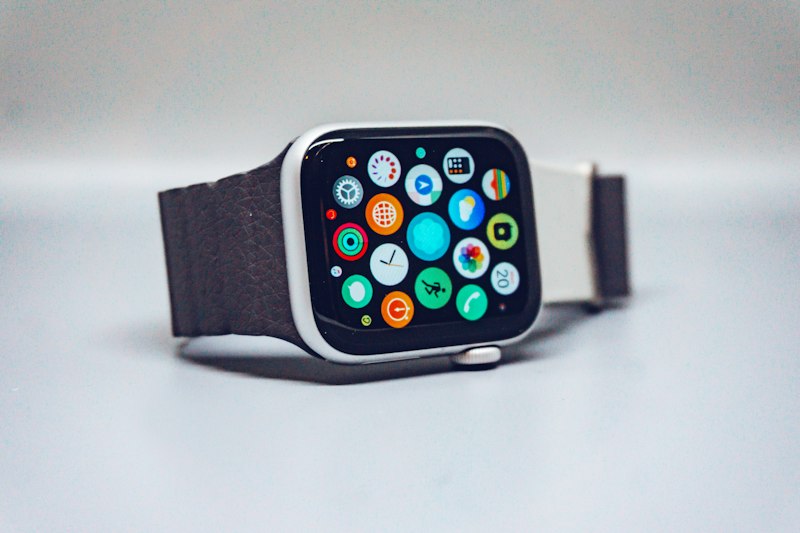
The first Galaxy Watch Ultra was a capable device wrapped in a case that many wearers found simply too large. The Ultra 2 addresses that directly with a slimmed-down design, and in doing so removes the main objection to an otherwise strong product. Reviewers this week highlighted the sharper app selection and a notably more intuitive interface alongside the physical changes.
That combination matters more than any single new sensor. Rugged smartwatches tend to win on endurance and lose on daily wearability; trimming the case while keeping the durability positioning is the harder engineering problem, and it is the one Samsung chose to solve this generation.
For existing Galaxy Watch owners the upgrade case is moderate. For anyone who tried the original Ultra and put it back down because of its bulk, this is the version worth revisiting.
📊 The Week in Context
Read together, these five launches point in one direction: capability that used to require professional equipment is collapsing into consumer price brackets. 32-bit float audio recording, 8K spherical video with Dolby Vision, and wearable displays were all specialist purchases eighteen months ago. This week they are things you can buy at a consumer electronics retailer.
The near-term calendar is dense. IFA Berlin opens within days, and Meta Connect follows on September 23–24 — which means the smart glasses category in particular is likely to look different by the end of the month. If you are considering a purchase in that space specifically, waiting three weeks is a defensible call. For the cameras, foldables and audio gear above, the products are shipping and reviewed now.
7M+
Meta AI Glasses Sold In 2025
4.5★
Galaxy Z Fold 8 Score
Sept 23–24
Meta Connect 2026


Comments
Post a Comment