GADGETS — WEDNESDAY, AUGUST 19, 2026
The Five Gadgets Everyone Is Talking About This Week
A wide foldable, a shrinking smart ring, and the action camera that finally shoots 8K
August has quietly become the busiest hardware month of 2026. In the space of seven days the consumer tech calendar delivered a reinvented Samsung foldable, Google's most health-focused smartwatch to date, a smart ring that shed nearly half its bulk, GoPro's most ambitious camera in a decade, and a portable projector that behaves like a full smart TV. Below are the five products currently dominating review coverage and shopping traffic — what each one actually does, what it costs, and whether the enthusiasm is deserved.
01 — Samsung Galaxy Z Fold 8: The Foldable Goes Wide
JUST ON SALE
SMARTPHONES
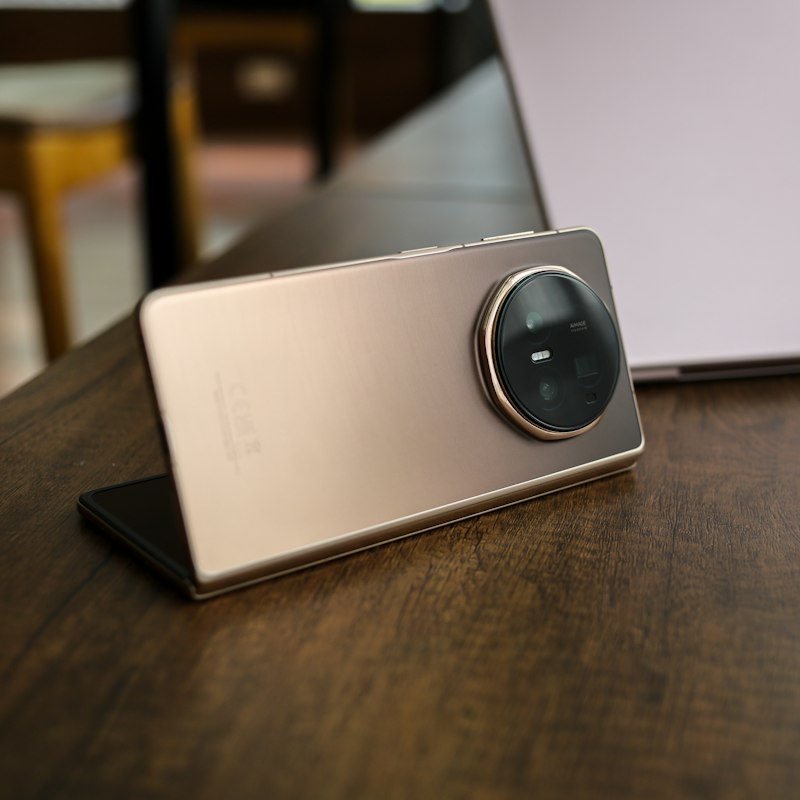
Unveiled at Galaxy Unpacked on July 22 and on retail shelves since August 5, the Galaxy Z Fold 8 is the first Samsung foldable to abandon the narrow, remote-control-shaped body that defined the line for seven generations. The cover screen has been widened to a 5.5-inch FHD+ Dynamic AMOLED panel that finally behaves like an ordinary phone, and unfolding reveals a 7.6-inch QXGA+ display. The result is a device that no longer forces a compromise between "usable closed" and "useful open."
The engineering headline is thickness and weight. At 4.5mm unfolded and 9.7mm folded, and tipping the scales at just 201 grams, this is the lightest Galaxy Z Fold Samsung has ever shipped — lighter, in fact, than several conventional flagship slabs. Inside sits the Snapdragon 8 Elite Gen 5, paired with Android 17 and One UI 9, backed by a seven-year update commitment that meaningfully changes the depreciation math on a phone in this price bracket.
That price remains the sticking point. The 256GB base configuration lists at $1,899.99, climbing to roughly $2,099.99 for 512GB and $2,499 for the 1TB model. Samsung is positioning the Fold 8 as the middle rung of a tiered foldable lineup that also includes the Z Fold 8 Ultra and the Z Flip 8 — a segmentation strategy that suggests the company now sees foldables as a category with its own good-better-best ladder rather than a single halo product.
02 — Oura Ring 5: Forty Percent Smaller, and It Shows
EDITOR FAVOURITE
WEARABLES
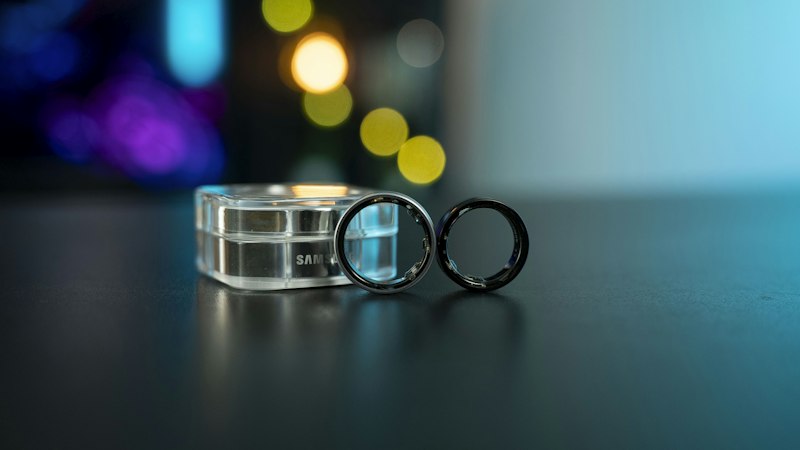
If one wearable has defined 2026, it is the Oura Ring 5. The headline change is deceptively simple: the ring is roughly 40% smaller and lighter than the Ring 4, making it the slimmest smart ring currently sold. Reviewers have been near-unanimous that this is not an incremental refinement but a step change in how the device feels — the difference between wearing a piece of consumer electronics and wearing a piece of jewellery that happens to be instrumented.
That distinction matters more than it sounds. Smart rings live or die on whether people keep them on overnight, and bulk has historically been the reason they come off. By collapsing the profile without sacrificing the sleep, readiness, temperature and activity tracking that made the platform popular, Oura has removed the main practical objection to the category. Gizmodo's verdict — that it is the best smart ring available "and it's not close" — reflects the broad consensus across Android Police, Wareable, Forbes Vetted and DC Rainmaker.
The wider context is telling. Coverage this month has repeatedly framed 2026 as a year in which screenless trackers clawed back attention from smartwatches. When the most-praised health wearable of the year has no display at all, it suggests buyers are increasingly willing to trade glanceable notifications for something they can genuinely forget they are wearing.
"The best smart ring right now, and it's not close." — Gizmodo, 2026
03 — Google Pixel Watch 5: Health Sensing Gets Serious
SHIPPING NOW
SMARTWATCHES
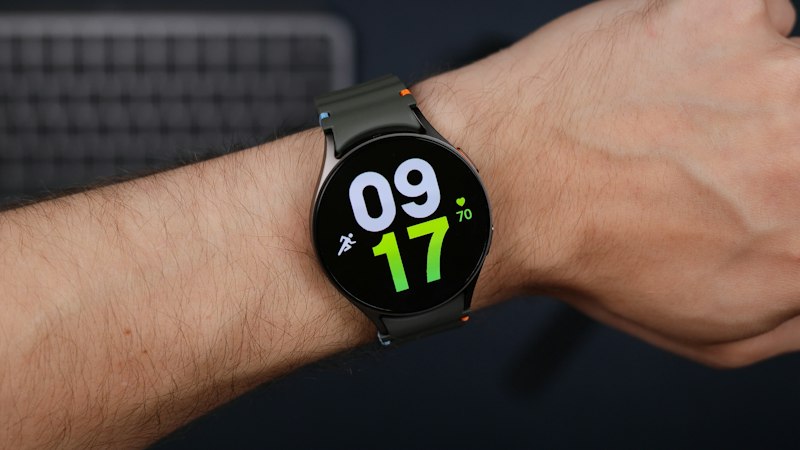
Announced August 12 alongside the Pixel 11 series and shipping to pre-order customers from August 20, the Pixel Watch 5 concentrates almost all of its innovation in the sensor stack rather than the silicon. The marquee addition is Breathing Emergency Detection, rolling out in Europe first, joined by blood pressure trend tracking, insulin resistance monitoring, a reworked Readiness Score and Sleep Breathing Quality analysis.
Taken together, these move the Pixel Watch from a fitness tracker with health features into something closer to a continuous physiological monitor. Blood pressure trending and insulin resistance signals in particular have historically required dedicated medical hardware; delivering even directional readings from a consumer wrist device is a meaningful technical milestone, even if the outputs are trend indicators rather than diagnostic measurements.
The caveats are real, though. Chip, memory and storage changes are incremental over the Watch 4, and several of the flagship health features either carry over from the previous generation or remain region-locked at launch — European users get functionality that North American buyers must wait for. Prospective buyers should confirm which features are actually live in their market before ordering, because the gap between the announcement slide and the shipping firmware is wider than usual this year.
04 — GoPro Mission 1 Pro: 8K Comes to the Action Cam
BEST IN CLASS
CAMERAS
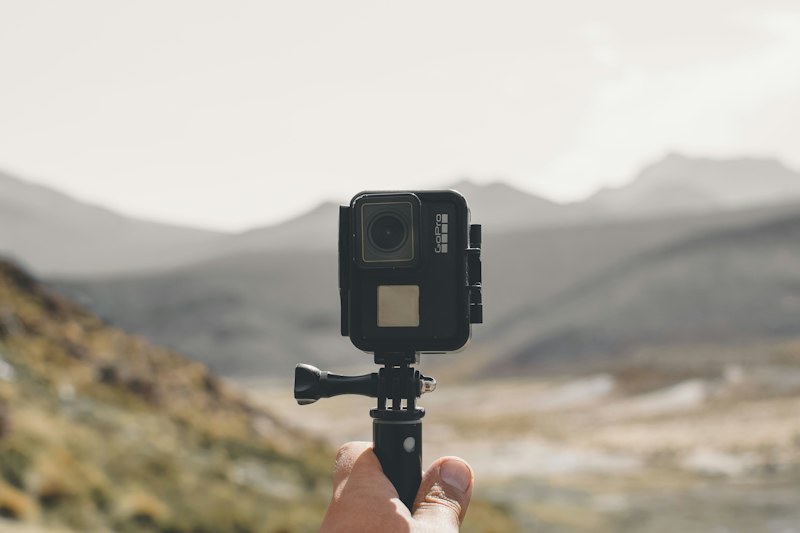
The Mission 1 Pro is the most consequential product GoPro has released in years, and it arrives with the largest sensor the company has ever put in an action camera. It records open-gate 8K at 60fps, and reviewers consistently report the best stabilisation available in the category alongside notably improved low-light performance — the two areas where action cameras have traditionally fallen apart.
Engadget scored it 8.7 out of 10, concluding that its video quality beats every rival while flagging the weight and the price as genuine drawbacks. PetaPixel went further, calling the resulting footage the nicest they have seen from an action camera. The consensus caveat, articulated most sharply by Gizmodo, is that it is the best GoPro without being the best camera outright — a reminder that sensor size in a body this small still imposes hard physical limits.
Pricing depends on which rung of the ladder you want. The standard Mission 1 sits at $599 with a reduced set of recording options; the Pro commands around $699, with some listings at $700 and a $600 tier for GoPro subscribers. There is also a Mission 1 ILS variant that introduces an interchangeable-lens Micro Four Thirds mount — a configuration that pushes the line into territory previously occupied by dedicated cinema rigs.
05 — Samsung The Freestyle+: A Smart TV in a One-Kilo Canister
HOME CINEMA
AI SETUP
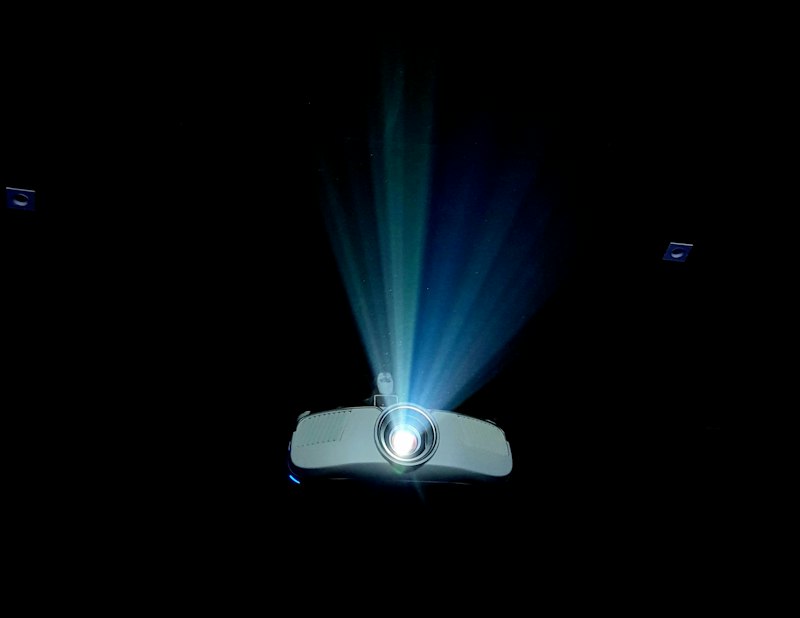
Samsung's Freestyle+ landed in the US in July at $1,199.99 and has spent August climbing recommendation lists. The premise is a one-kilogram canister projector that throws a 100-inch Full HD image at 430 ISO lumens with PurColor and HDR10+ support — and, crucially, sets itself up without human intervention.
The automation is the genuinely novel part. 3D Auto Keystone and Wall Calibration correct geometric distortion while compensating for the colour of a painted or patterned wall, and Screen Fit with Obstacle Avoidance repositions the image automatically when something is in the way. In practice this means the device can be carried into an unfamiliar room, pointed roughly at a surface, and left to work out the rest — the step that has historically made portable projectors frustrating.
Audio comes from a built-in 360-degree speaker with dual passive woofers, with Q-Symphony available to pair compatible Samsung soundbars and Wi-Fi speakers. On the software side it runs the full Samsung Smart Hub, TV Plus, Gaming Hub for cloud gaming, and Vision AI features driven by Bixby and Gemini, plus Tap View, Smart View and AirPlay 2 mirroring. It is, functionally, a smart TV that fits in a tote bag — which is precisely why it keeps appearing on shortlists at a price that would otherwise buy a very good fixed display.
The Pattern Behind the Week
Look across all five and a common thread emerges: this is a week defined by devices getting physically smaller or lighter without giving up capability. The lightest Fold ever made. A smart ring that shrank by 40%. A projector that weighs a kilogram and still runs a full TV operating system. An action camera carrying the largest sensor its category has seen in a body you can still mount to a helmet.
The counterweight is price. Four of these five sit comfortably above $599, and two clear $1,100. The industry's miniaturisation gains in 2026 are arriving at the premium end first, which means the more interesting question for the rest of the year is how quickly the engineering trickles down to mid-range hardware — and whether buyers who have been holding onto three-year-old devices find any of this compelling enough to upgrade.


Comments
Post a Comment