GADGET ROUNDUP — WEDNESDAY, AUGUST 12, 2026
The 5 Gadgets Everyone Is Talking About This Week
Foldables go wide, Google goes 2nm, and the smart ring finally disappears on your finger
The first two weeks of August have delivered one of the densest product cycles of the year. Samsung's reinvented foldable reached retail shelves, Google scheduled its biggest silicon leap since the Tensor programme began, Bose quietly handed its entry-level headphones a feature its flagship does not have, and a smart ring shed nearly half its bulk without losing a sensor. Below are the five products that dominated coverage, search interest and pre-order queues over the last seven days — what they actually do, what they cost, and whether the hype survives contact with the spec sheet.
📱 1. Google Pixel 11 Series — The First 2nm Phone Chip Reaches Consumers
LAUNCHING TODAY
SMARTPHONES
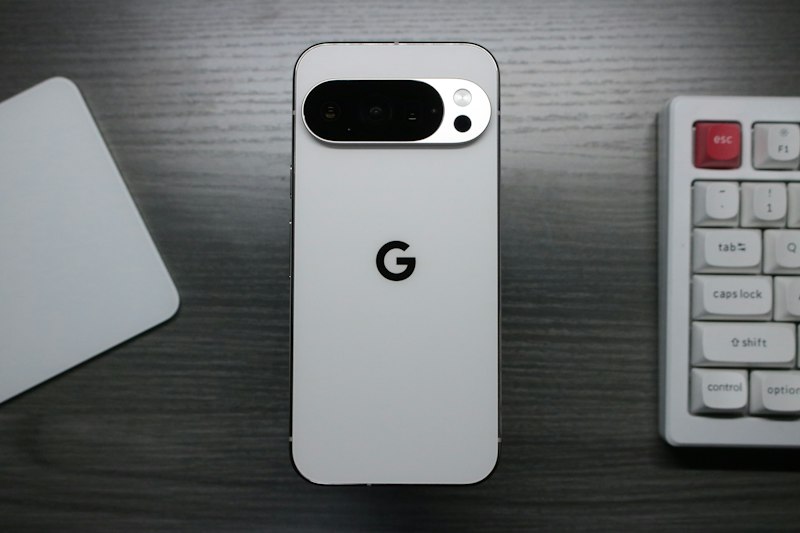
Google's Made by Google keynote takes place in New York City today, August 12, with the stream beginning at 3 p.m. PT / 6 p.m. ET — unusually late in the day for the company. Four devices are expected: the Pixel 11, Pixel 11 Pro, Pixel 11 Pro XL and the second-generation Pixel 11 Pro Fold. It is the broadest single-day Pixel launch Google has attempted.
The headline is not the industrial design but the silicon. The Tensor G6 is reported to be fabricated on TSMC's 2nm process, which would make it the first smartphone processor built on that node to reach consumers — beating both Qualcomm and Apple to market on a manufacturing milestone Google has historically trailed on. Tensor chips have been criticised for thermal throttling and efficiency deficits since the G1; a full-node shrink is the most credible answer Google has offered to that criticism so far. The series is also expected to drop Samsung's Exynos modem in favour of a MediaTek M90, addressing a second long-standing complaint about Pixel cellular performance.
On the software side, Gemini Intelligence is positioned as the differentiator, with multi-step task execution and visual context awareness — the assistant is meant to act across apps rather than answer within one. Hardware flourishes include "Pixel Glow," an RGB notification LED embedded in the camera bar, and a brighter OLED panel reported at 3,600 nits peak. Pre-orders typically open immediately after the keynote, with retail availability expected around August 20.
3,600
Peak Nits (Reported)
📖 2. Samsung Galaxy Z Fold 8 — The Foldable Turns Sideways
NOW SHIPPING
FOLDABLES
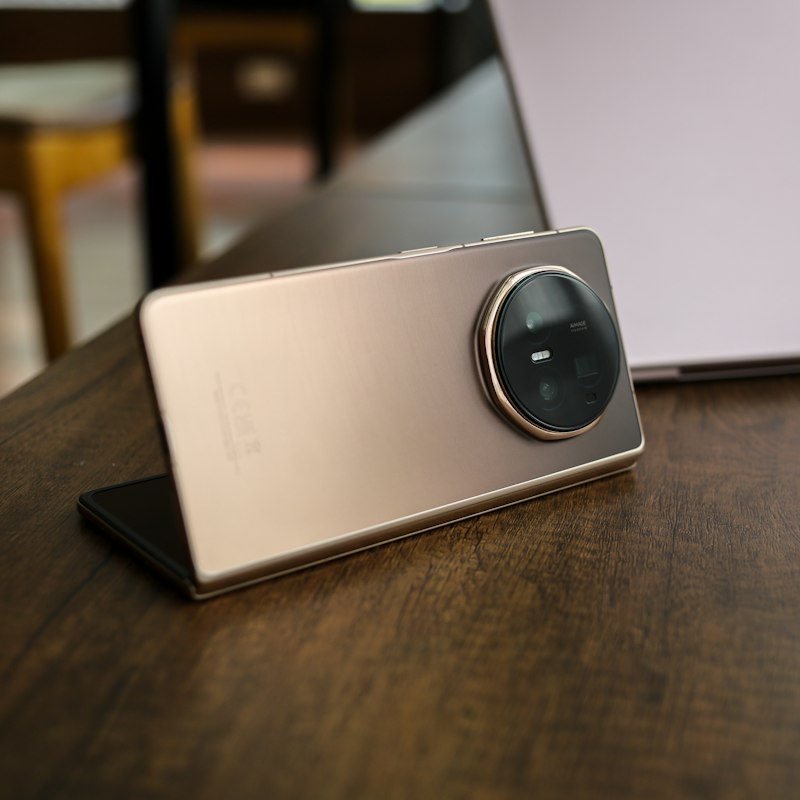
Unveiled at Unpacked in London on July 22 and available at retail since August 5, the Galaxy Z Fold 8 is the most structurally interesting phone Samsung has shipped in years. It is the company's first wide-screen foldable: shorter and broader than every previous Z Fold, and broader than the Z Fold 8 Ultra that launched alongside it. The reasoning is ergonomic. Book-style foldables have always produced a tall, narrow cover display that is awkward to type on; widening the chassis makes the closed device behave like a normal phone and the open device behave more like a paperback than a tablet.
Internally it runs Qualcomm's Snapdragon 8 Elite Gen 5, shared with the Ultra model, and ships with Android 17 and One UI 9. Samsung is committing to seven years of OS and security updates — a support window that materially changes the total-cost calculation on a device at this price. That price is $1,899 for the 256GB configuration in the United States, with European pricing around €2,000.
The strategic context matters as much as the specs. Samsung has effectively split its foldable line into tiers rather than iterating a single flagship, and it is doing so in the last cycle before Apple is widely expected to enter the category. Establishing form-factor variety now, while it still owns the segment outright, is a defensible move.
"A tiered foldable lineup that could redefine the category's identity." — SamMobile, 2026
🎧 3. Bose QuietComfort Headphones (2nd Gen) — The Cheaper Model Wins on Paper
BEST VALUE
AUDIO
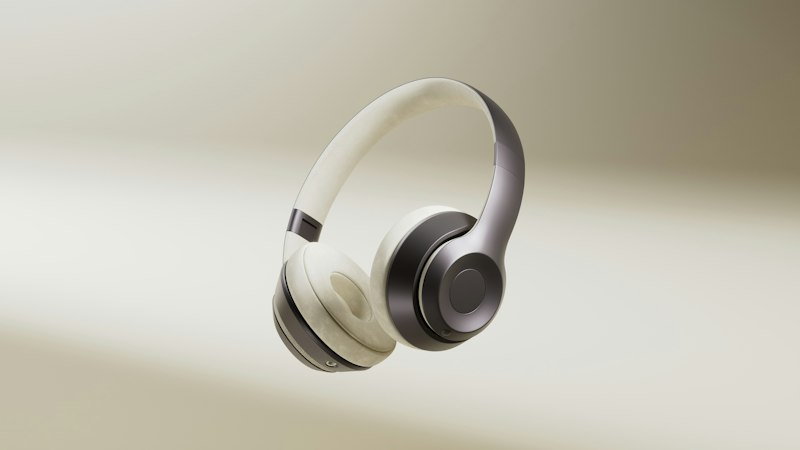
Bose opened pre-orders on August 8 for the second-generation QuietComfort Headphones at $359 — just $10 above the 2023 model's launch price — with shipping beginning August 13. The interesting part is what Bose chose to include. The new model supports 24-bit/48kHz lossless playback over USB-C, a wired specification that exceeds the $449 QuietComfort Ultra 2nd Gen on bit depth. The entry-level model out-specs the flagship on wired audio resolution while costing $90 less.
The USB-C connection is more than an audiophile checkbox. It carries a bidirectional path, so the headphones work as a proper headset for Zoom and Teams calls through their own microphones, and they charge while playing. For anyone who lives on video calls, that removes the usual compromise between Bluetooth convenience and call quality.
Noise cancellation has been rebuilt around a six-microphone array with specific attention to glasses wearers — the arms of a frame break the ear-cup seal and have historically cost ANC performance several decibels. Bose's TrueSpatial immersive audio modes, previously reserved for the Ultra tier, are also included. Alongside Black and White Smoke, three limited finishes launch: Eucalyptus Green, Dewdrop Mint and Rosewood Mauve.
💍 4. Oura Ring 5 — 40% Smaller, and Now Predictive
WEARABLES
HEALTH TECH
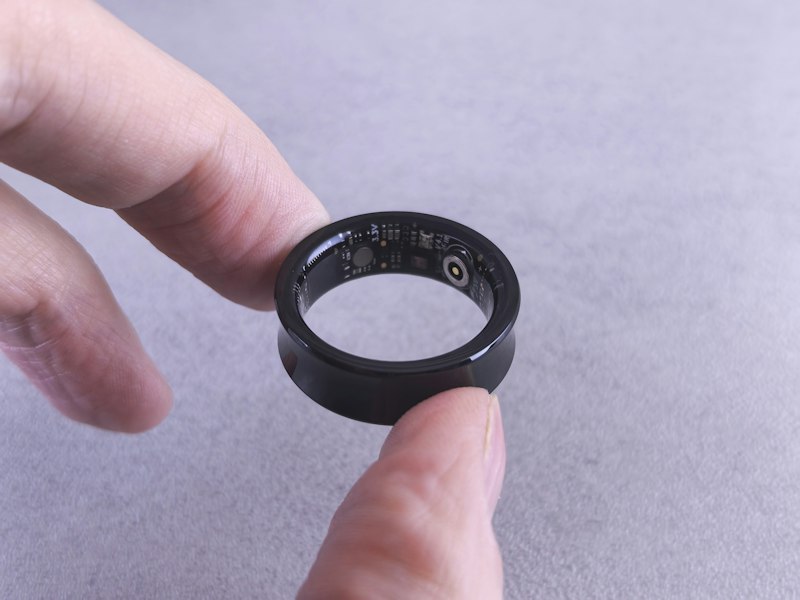
Released on June 4 and still climbing the wearables charts through August, the Oura Ring 5 is the rare hardware generation that got dramatically smaller without losing capability. The band measures 6.09 mm wide and 2.28 mm thick, down from 7.90 mm and 2.88 mm on the Ring 4 — roughly 40% less volume. Weight falls to between 2 and 2.69 grams, less than half the Ring 4's 3.3-to-5.2-gram range. Battery life moved the other direction, rising to six-to-nine days from five-to-eight.
Shrinking a sensor package usually costs accuracy, so Oura redesigned the optics. Low-profile sensor domes sit closer to the skin, and twelve signal pathways replace the previous arrangement, which the company says improves consistency across a wider range of finger sizes and skin tones — a well-documented weak point for optical heart-rate sensing across the whole industry. Reviewers have singled out sleep-onset detection, the hardest thing for a wearable to get right, as notably improved: the Ring 5 distinguishes lying awake in bed from actually falling asleep.
The software launched alongside it is arguably the bigger shift. Oura is moving from reporting yesterday's numbers to forecasting tomorrow's, with a Health Radar view, AI-generated medical guidance, a nighttime breathing feature that flags changes affecting sleep quality, blood-pressure tracking, and GLP-1 Insights for members tracking medication dosage. That last feature is a clear read of where the consumer-health market has moved.
🎥 5. GoPro Mission 1 Pro — 8K/60 and the Price to Match
PREMIUM
CAMERAS
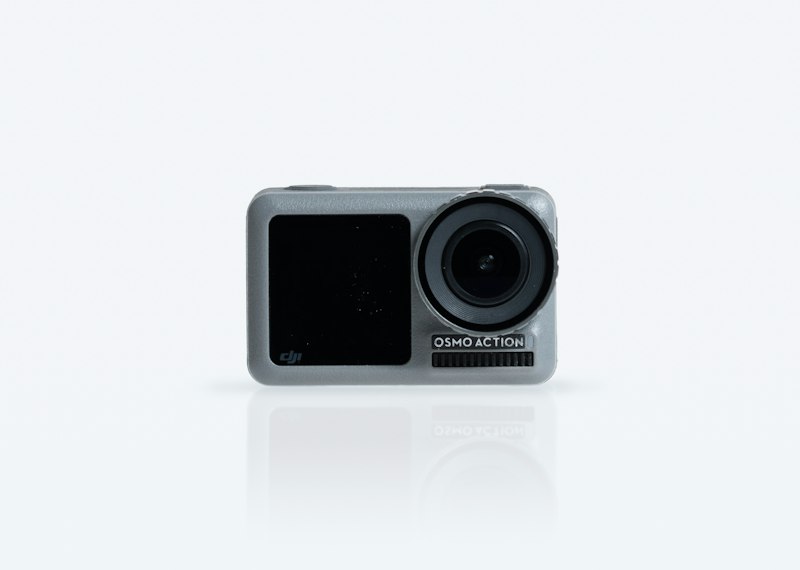
The Mission 1 Pro is the camera that pulled GoPro back into the summer conversation, and it did so on image quality rather than gimmicks. It records 8K/60 in 16:9 and 8K/30 in 4:3 open gate — the latter being the format that lets editors reframe a single take for both landscape and vertical delivery without recropping in post. Low-light performance, historically the weakest part of any action camera, is significantly better, and the internal audio is good enough that reviewers stopped reaching for an external mic.
Stabilisation is the other standout. Multiple reviewers described the footage as effortlessly stable, and battery life is strong enough for a full day of intermittent shooting. Tom's Guide called it the first GoPro they had been excited about in years; PetaPixel and Gizmodo reached similar conclusions with a shared caveat.
That caveat is size and price. The Mission 1 Pro is noticeably thicker and heavier than the Hero 13, which matters when the camera is mounted to a helmet or a chest harness. And at a $699 list price — commonly seen at $599 through Amazon and other retailers, and as low as $499.99 direct from GoPro — it sits in territory where a compact mirrorless camera becomes a real alternative. A standard Mission 1 is available at $599 with a reduced set of recording modes for buyers who do not need 8K/60.
🔍 The Pattern Behind the Week
Three of this week's five headliners advanced by removing something rather than adding it. Oura removed 40% of the ring's volume. Samsung removed the awkward tall-narrow proportion that has defined book foldables since 2019. Bose removed the price premium usually attached to lossless audio. Only Google and GoPro competed the traditional way, on raw specification — a 2nm node and an 8K/60 sensor — and both are charging accordingly.
It is a useful signal for buyers. The most consequential upgrades in consumer hardware right now are ergonomic and architectural, not numeric. A ring you forget you are wearing collects more nights of data than one you take off. A foldable you can type on gets unfolded more often. Those are harder things to put on a spec sheet, and they are the ones most likely to change how a device fits into a day.


Comments
Post a Comment