5 Gadgets Turning Heads This Week: AI Earbuds, AR Glasses & More
- Get link
- X
- Other Apps
5 Gadgets Turning Heads This Week: AI Earbuds, AR Glasses & More
🎧 Soundcore Liberty 5 Pro Max — The Earbuds With a Brain
NEW LAUNCH
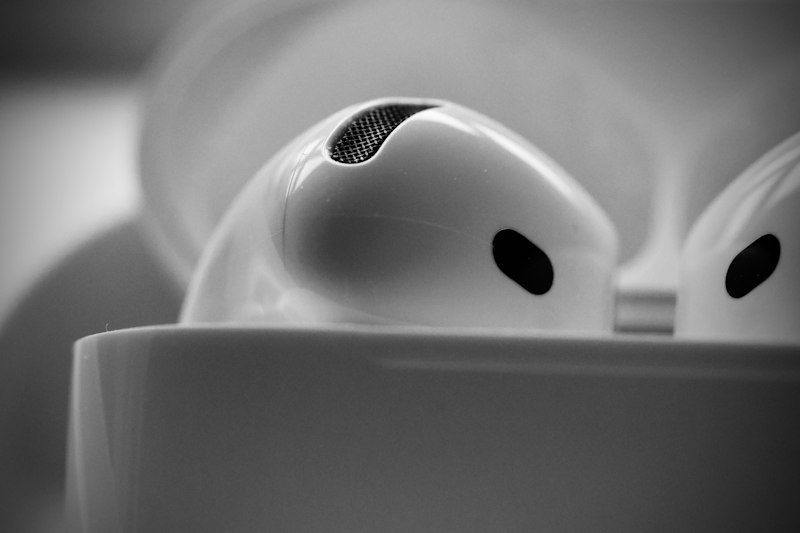
Anker's Soundcore brand has raised the bar dramatically with the Liberty 5 Pro Max, a pair of wireless earbuds that ships with a dedicated AI chip driving its entire audio intelligence stack. Adaptive ANC 4.0 continuously maps your ear canal acoustics and ambient environment 40,000 times per second, making micro-adjustments that result in noise cancellation that feels almost uncanny in busy environments. Real-time audio enhancement powered by the onboard AI processor analyses incoming sound and applies bespoke EQ curves for every listening scenario — whether you're on a video call, commuting, or working out.
What truly sets the Liberty 5 Pro Max apart is its charging case, which features a 1.78-inch AMOLED touchscreen embedded directly into the lid. Rather than reaching for your phone to tweak ANC intensity, swap sound profiles, or trigger the built-in voice memo recorder, you interact with a miniature interface right on the case itself. It is an elegant solution that transforms the case from a passive battery box into an active control hub. Industry observers are calling it one of the most thoughtfully engineered earbud packages of the year, and Soundcore appears to have hit the sweet spot between audiophile tuning and consumer convenience.
🕶️ ROG Xreal R1 — A 171-Inch Gaming Screen on Your Face
PREORDER NOW
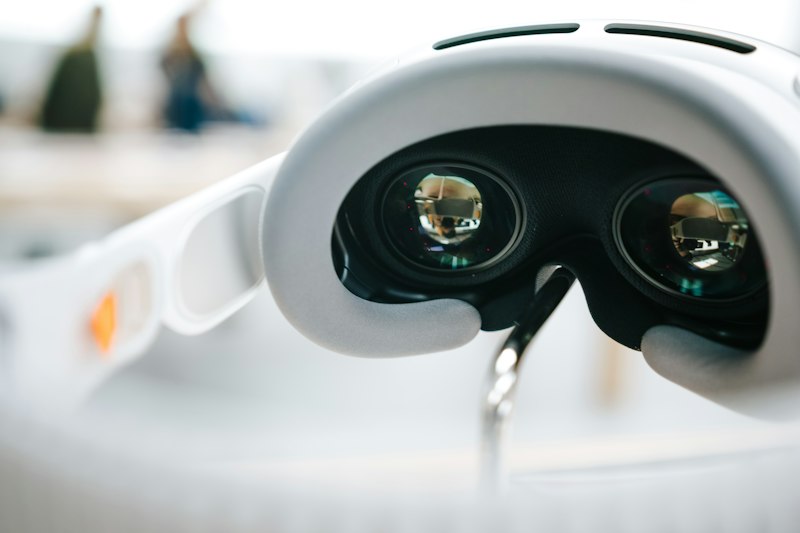
ASUS ROG and Xreal have teamed up to deliver what may be the most compelling gaming AR glasses yet: the ROG Xreal R1. These lightweight glasses project a virtual display equivalent to a 171-inch screen directly in your field of view at up to 240Hz — a refresh rate that matches the fastest gaming monitors on the market today. Designed specifically for PC, PlayStation, and Xbox gamers, the R1 glasses connect to consoles and gaming rigs to create an immersive, private big-screen experience anywhere from your sofa to a hotel room. The glasses are currently available for preorder with availability beginning in July 2026.
The engineering challenge of packing a 240Hz display into glasses light enough to be comfortable for extended gaming sessions is no small feat, and Xreal's waveguide display technology makes it possible without the bulk associated with traditional VR headsets. Unlike full VR, the R1 retains peripheral vision, so you remain aware of your environment while the game fills your central field of view. BGR's editorial team flagged the R1 as one of the standout gadgets of June 2026, noting that it makes an exceptionally compelling case for AR glasses as a genuine gaming peripheral rather than a novelty device.
📱 Sony Xperia 1 VIII — Android 16's Most Powerful Debut
AVAILABLE NOW
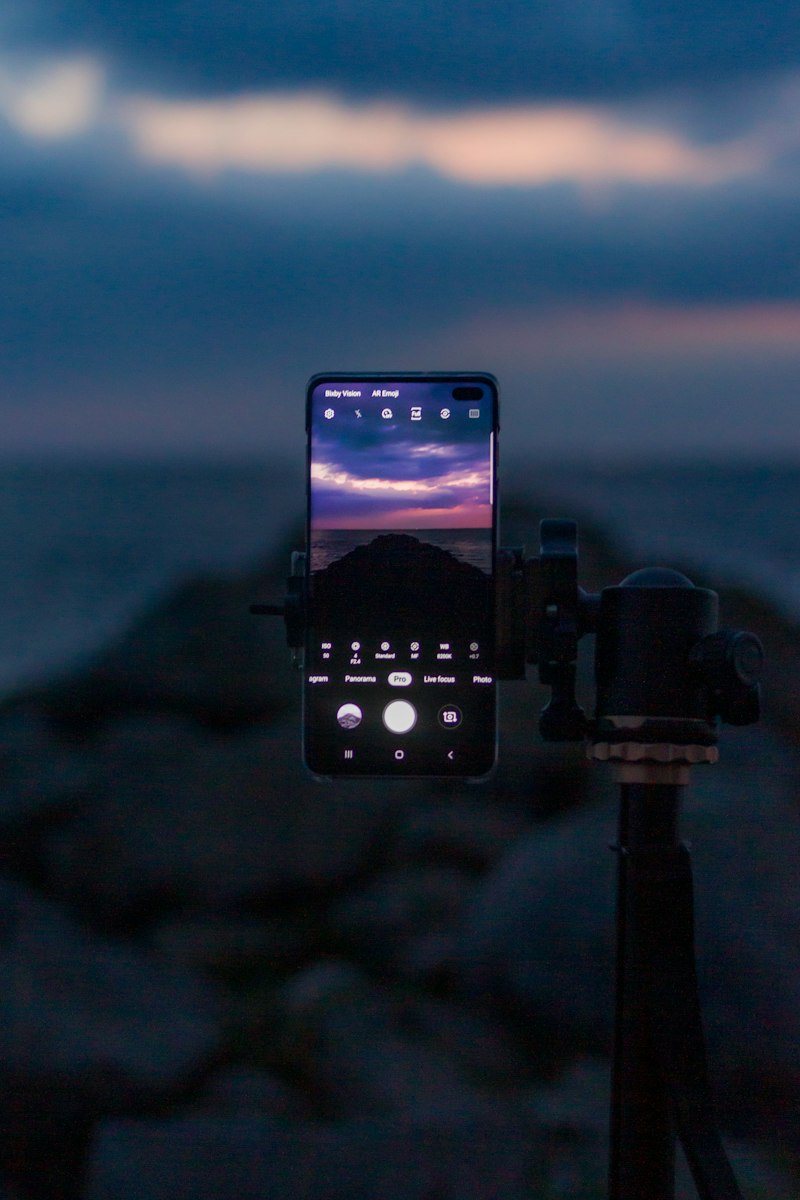
Sony's Xperia 1 VIII landed in Europe on June 19, 2026, and immediately made waves in the flagship Android segment by shipping with Android 16 out of the box — a first among premium handsets. The device is powered by Qualcomm's latest Snapdragon platform and the base configuration pairs 256GB of storage with 12GB of RAM, scaling all the way up to a 1TB / 16GB variant for those who demand uncompromising storage and multitasking headroom. Early benchmarks show the Xperia 1 VIII outperforming the Pixel 10 Pro XL across the board, placing Sony at the top of the Android performance charts this month.
Beyond raw performance, the Xperia 1 VIII continues Sony's tradition of class-leading photography hardware. The triple-lens camera system, developed in collaboration with Sony's Alpha camera division, brings professional-grade manual controls, Zeiss optics, and a dedicated cinematic video mode to a device that fits in your pocket. The 4K OLED display operates at 120Hz with precise colour accuracy calibrated to the DCI-P3 standard, making it a natural companion for Sony's content ecosystem. For enthusiasts who want Android's most refined creative tool, the Xperia 1 VIII is the clear answer in mid-2026.
🎵 Sennheiser Momentum 5 Wireless — 57 Hours of Pure Sound
AUDIO

Sennheiser's Momentum 5 Wireless headphones arrive as one of the most anticipated audio releases of 2026, and the German brand has delivered a package that should please both audiophiles and everyday listeners in equal measure. The headline figure — up to 57 hours of battery life with active noise cancellation engaged — is remarkable and sets a new benchmark for ANC headphones in the premium segment. For context, most competing over-ear headphones top out at 30–40 hours with ANC active, making the Momentum 5's stamina an extraordinary engineering achievement.
The acoustic performance matches the longevity credentials. Sennheiser has refined its 42mm transducer design with a new composite diaphragm material that extends the high-frequency response while keeping distortion impressively low at higher volumes. The adaptive noise cancellation system uses four external microphones and two internal microphones to create a nuanced model of your acoustic environment, and the Transparency mode is among the most natural-sounding available — a critical feature for urban commuters and frequent travellers. Paired with Sennheiser's Smart Control app, the Momentum 5 also gains access to a parametric equaliser, making it genuinely customisable for discerning listeners.
"57 hours of ANC battery life redefines what we expect from premium wireless headphones." — BGR, June 2026
⌚ Fitbit Air — Google's Bold Bet on Screenless Health Tracking
WEARABLES
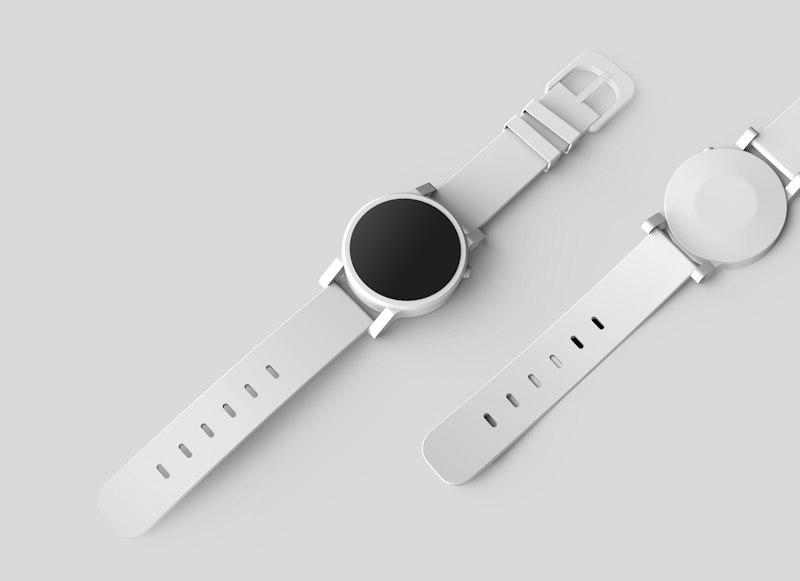
Google's Fitbit Air represents a bold philosophical shift in the wearable category: the complete removal of the screen. Instead of a display, the Fitbit Air focuses every gram of its engineering and battery capacity on sensing. The device packs heart rate monitoring, an accelerometer and gyroscope, infrared SpO2 blood oxygen measurement, and a skin temperature sensor into a sleek band that Google claims can run for a full week on a single charge. All data flows to Google's newly redesigned Health app, which uses AI to surface actionable insights and trend analysis drawn from continuous passive monitoring.
The Fitbit Air reflects a growing understanding among wearable designers that users are increasingly fatigued by constant notification pings and glanceable displays. By deliberately removing the screen, Google has created a device that quietly works in the background — gathering the health data that matters without competing for your attention. The seven-day battery life is enabled by the absence of a power-hungry display, and field tests suggest the actual runtime often exceeds Google's own estimate. In a market crowded with feature-laden smartwatches, the Fitbit Air is a deliberate act of restraint that will resonate strongly with wellness-focused users.
Sources
- BGR — 11 Cool New Gadgets To Look Out For In June 2026
- Gear Patrol — 10 Cool New Gadgets to Keep on Your Radar (June 21, 2026)
- TechRadar — Top Tech of the Month: Best New Gadgets for June 2026
- Plaud AI — 9 Life-Changing AI Wearable Devices in 2026
- Gadget Flow — Top Tech Trends 2026: Gadgets That Feel Like Companions
- Get link
- X
- Other Apps


Comments
Post a Comment