Hottest Gadgets of the Week: May 13–20, 2026
- Get link
- X
- Other Apps
Hottest Gadgets of the Week: May 13–20, 2026
This week's gadget landscape is anything but incremental. Across categories from wearables to wireless audio, the products making waves are built around specific, well-defined problems — and they solve those problems with an unusual degree of intentionality. The foldable phone category finally has a sub-$400 entry. A beloved fitness brand launches what could be its most accessible device ever. A portable Bluetooth speaker gains an AI brain. And a programmable smartwatch timed to a historic space mission is redefining what a $129 wearable can do.
Whether you're shopping, researching, or simply keeping tabs on where consumer technology is heading, these are the four products that defined the week of May 13–20, 2026.
🚀 CircuitMess NASA Artemis Watch 2.0 — $129
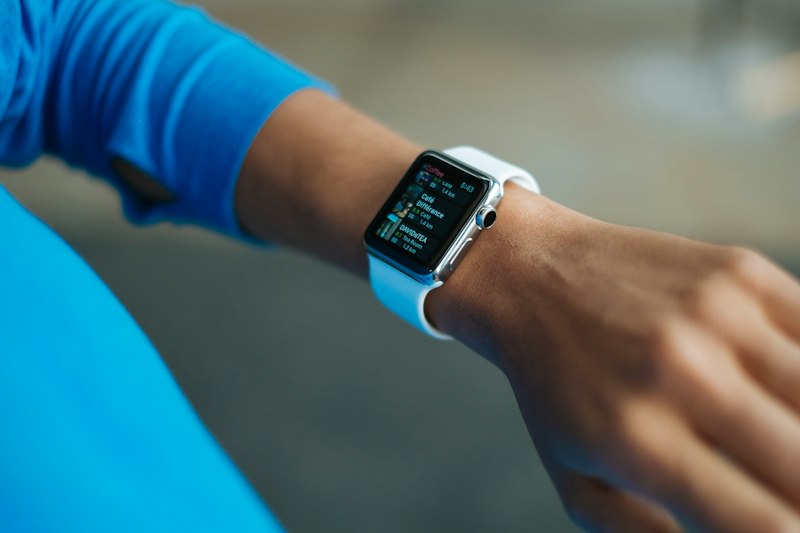
Timing matters in consumer technology, and CircuitMess timed this one perfectly. NASA's Artemis II lifted off from Kennedy Space Center on April 1, 2026, carrying four astronauts on humanity's first crewed lunar journey in over 50 years. The NASA Artemis Watch 2.0, priced at $129, is a fully assembled, production-ready programmable smartwatch built around a dual-core ESP32 microcontroller, complete with a full-color LCD screen, accelerometer, gyroscope, compass, and temperature sensor. Designed for anyone aged nine and up, it connects to iOS and Android via Bluetooth out of the box for activity tracking and notifications.
Where the Artemis Watch 2.0 separates itself from every other fitness tracker in its price range is in what it allows you to do next. The firmware is entirely open-source and reprogrammable in Python, CircuitBlocks, or the Arduino IDE. Users can build custom watch faces, write their own applications, and modify sensor behavior at a granular level. This is not a wearable that locks you into a manufacturer's ecosystem — it's a platform that grows with the person wearing it.
"The Artemis Watch 2.0 is one of the rarer gadgets at this price: it genuinely grows with the person wearing it." — Yanko Design, May 2026
At $129, this is among the most capable programmable wearables available to consumers at any age, timed to a cultural moment that makes it genuinely difficult to ignore. Whether you're a parent looking for an educational gift with real technical substance, or an engineer who wants a no-nonsense hardware platform on your wrist, the Artemis Watch 2.0 earns its place this week without qualification.
📱 Ai+ Nova Flip — $320
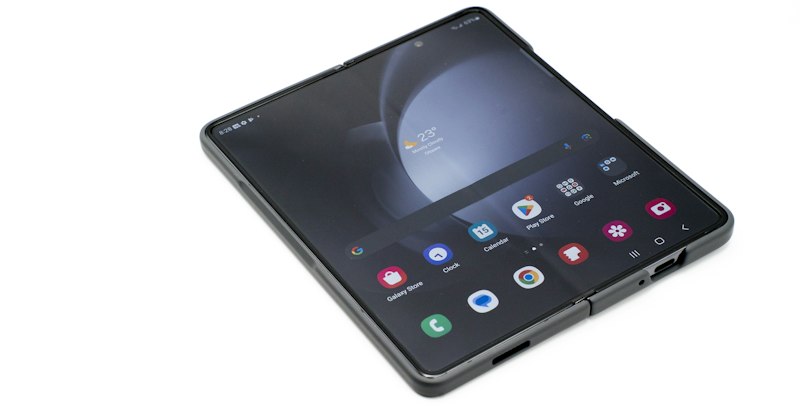
The foldable phone category has spent five years telling consumers that the flip experience carries a natural price premium of $800 or more. Ai+ has arrived to challenge that narrative head-on. The Nova Flip, launched this week in India at Rs 29,999 — roughly $320 at current exchange rates — is the most affordable foldable smartphone on the market, and its specs refuse to read like a budget compromise. The inner display is a 6.9-inch AMOLED panel resolving at 2790 x 1188 pixels, backed by a 3.1-inch AMOLED cover screen. MediaTek's Dimensity 7300 handles processing, paired with 8GB of LPDDR4X RAM and 256GB of internal storage.
The camera system is led by a 50-megapixel primary shooter, supported by a 32-megapixel front camera. Battery capacity sits at 4325mAh — a surprisingly generous figure for a flip form factor at any price — with 33W wired charging included. 5G, NFC, and an IP64 dust and splash rating complete a specification list that holds its own against devices costing two or three times as much.
What makes the Nova Flip genuinely significant isn't just the price — it's what the price represents: a signal that the foldable phone premium is a market artifact rather than a technical necessity. For consumers who have been waiting at the margins of the foldable phone market, that conversation is long overdue.
⌚ Google Fitbit Air — $99.99
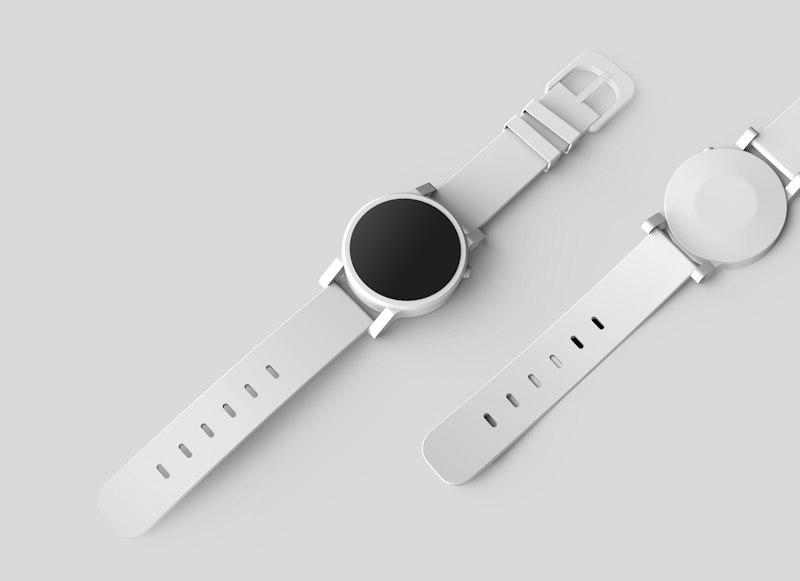
The Fitbit brand has had a complicated decade inside the Google ecosystem, but the Google Fitbit Air, expected to ship on May 26, looks like a genuine reset. Priced at $99.99, it is among the most accessible health-focused wearables Google has ever brought to market, arriving with a sensor suite that punches well above its price tier. Advanced biometric sensors track heart rate, SpO2, skin temperature, and sleep stages with a level of precision typically reserved for devices costing two to three times as much. Battery life is rated at up to seven days on a single charge.
This is not a Fitbit trying to become a smartwatch — it is a health tracker that knows exactly what it is and executes that brief with unusual clarity. The companion app benefits from years of Fitbit's health data intelligence, and the $99.99 price point puts serious fitness tracking within reach of an audience that has historically been underserved by the premium wearable market.
The Fitbit Air signals that Google has found a clear positioning for the Fitbit brand: not a competitor to the Pixel Watch's smartwatch ambitions, but the best dedicated health tracker in the $100 price window. If it delivers on its pre-launch promise, it should set the standard in that segment for the foreseeable future.
🔊 JBL Xtreme 5 — AI-Powered Portable Speaker
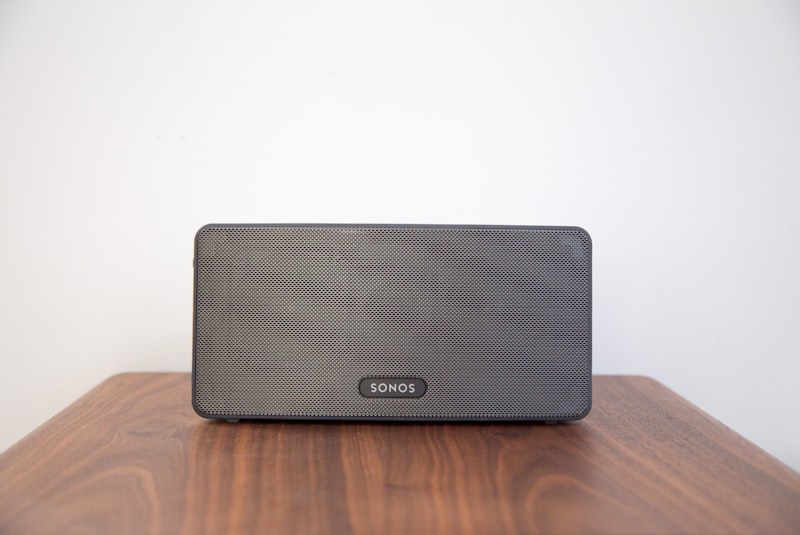
JBL's Xtreme line has never lacked ambition, and the JBL Xtreme 5 raises that bar further with a redesigned acoustic architecture and a feature no portable speaker in this class has offered before: AI-powered SmartEQ. The fifth-generation Xtreme moves to a new configuration featuring dual tweeters and a dedicated subwoofer, giving the speaker a soundstage that feels more like a professional monitor than a portable Bluetooth device. The enhanced power output delivers clear highs, defined mids, and low-end extension that the speaker's size has no right to produce.
The SmartEQ system is the most meaningful addition. Using on-device AI, the speaker continuously analyzes the audio being played and adjusts the EQ profile in real time to match the genre, tempo, and dynamic range of the content. Listening to acoustic jazz sounds different from listening to electronic music, and the Xtreme 5 adapts accordingly — automatically, without requiring the user to navigate settings menus or select preset modes.
"SmartEQ mode automatically adjusts the EQ based on what you're listening to — and it does so in a way that's genuinely audible, not cosmetic." — Analytics Insight, May 2026
The JBL Xtreme 5 doesn't reinvent the portable speaker category — it advances it on the terms that actually matter: sound quality, adaptability, and the confidence that the device will keep up with whatever you put on. For anyone in the market for a premium portable speaker in 2026, this is the clearest current benchmark.
🏆 The Week in Summary
What this week's standout gadgets share is a clarity of purpose that is increasingly difficult to find in a market crowded with incremental updates and feature bloat. The Artemis Watch 2.0 uses a cultural moment to make technical education feel urgent and accessible. The Nova Flip destroys a price floor that the foldable phone industry has maintained for years without technical justification. The Fitbit Air finds a lane that Google's hardware portfolio has needed for some time and occupies it with conviction. And the JBL Xtreme 5 makes a compelling case that AI can add genuine value to audio hardware — not as a marketing claim, but as a tangible improvement to the listening experience.
Each of these products was built around a real constraint, a real behavior, or a real gap in the market. That's the reason these four are the week's most compelling consumer tech products, regardless of price.
- Get link
- X
- Other Apps


Comments
Post a Comment